Grove Park Community Association
Our Information
- Contact List
- Our contact information...
- Newsletter Archive
- Previous Newsletters...
About Us
Grove Park Community
History
Grove Park was named for Dr. Edwin Wiley Grove, president of the Grove Park Development Company, a pharmaceutical magnate who also built Atkins Park near Virginia-Highland in northeast Atlanta, and many Asheville, North Carolina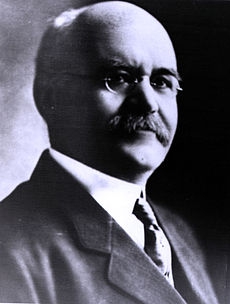
Grove Park and Center Hill were both developed during the early part of the 20th century. Prior to 1960 Grove Park and Center Hill were all-white communities. African-Americans began to move into these areas during the 1960s, primarily as an off-shoot of growth in the Collier Heights neighborhood. Collier Heights was developed in earnest in the late 1950s and early 1960s as a public-private effort with African Americans handling most of the "hammers and cash." The City of Atlanta published its "Neighborhood Plan for Collier Heights" in 1961. The neighborhood would accommodate 7,000 residents and help solve the shortage of quality homes for African Americans.
Donald Lee Hollowell Parkway, one of the major corridors in Northwest Atlanta, was in its splendor during the 1960s, and the area was stable until the early 1970s when suburban growth began to drain the area's vitality. As a result, many longtime businesses closed and were replaced by low-rent business; and as population decreased the area began to deteriorate. In fact, through the turn of the 21st century, the entire area witnessed a steady decline in population, property conditions and the local economy.
However, conditions in the area have changed over the past few years as the current trend towards in-town living gains popularity. Neighborhoods throughout the City and especially Northwest Atlanta are experiencing a resurgence of development including new infill residential units and subdivisions as well as major renovations. Grove Park and the Donald Lee Hollowell Parkway Corridor are poised to experience some of this resurgence. The Grove Park area has been dramatically affected by the nation's foreclosure crisis. However, real estate investors expect the proposed development plans to spur the neighborhood's revitalization.
Demographics
The population in 2000 was 6,410. The neighborhood is more than 95% African-American. Median household income in 2009 was $31,073 versus $49,981 for the city of Atlanta as a whole.
Education
The schools that serve Grove Park are Carter G. Woodson Primary Elementary School, Grove Park Intermediate Elementary School, B.E.S.T. Academy Middle School at Benjamin S Carson Charter School, Harper-Archer Middle School, Corretta Scott King Young Women's Leadership Academy (YWLA) Middle School, B.E.S.T. Academy High School, Corretta Scott King YWLA High School, and Frederick Douglass High School.
Parks
Grove Park falls on the western edge of the BeltLine. The northeastern boundary of Grove Park is the former Bellwood Quarry - site of the future Westside Park. This jewel of the BeltLine will be twice the size of Piedmont Park. Amenities will include tournament-quality baseball fields, a skate park and rink, hiking and mountain biking trails, an amphitheatre which takes advantages of skyline views, a dog park, community gardens and many others attractions. Additionally the neighborhood features several small pocket parks and boulevard parks including Edwin Place Park, Matilda Place Park, North and South Evelyn Place Park, Elinor Place Park, and Arlington Circle Playlot. Finally the neighborhood namesake park Grove Park itself.
Transportation
Grove Park is located along Donald Lee Hollowell Parkway NW (US highway 278). Grove Park is also served by MARTA buses that transport riders to the West Lake MARTA station and the Bankhead MARTA station.
Famous Residents
Grove Park is the original home of Andre 3000, and the Cleveland Browns Pro-Bowl halfback Jamal Lewis.
Photos
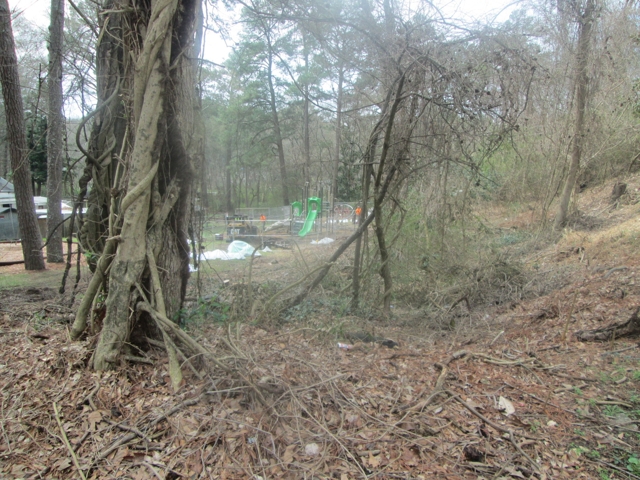
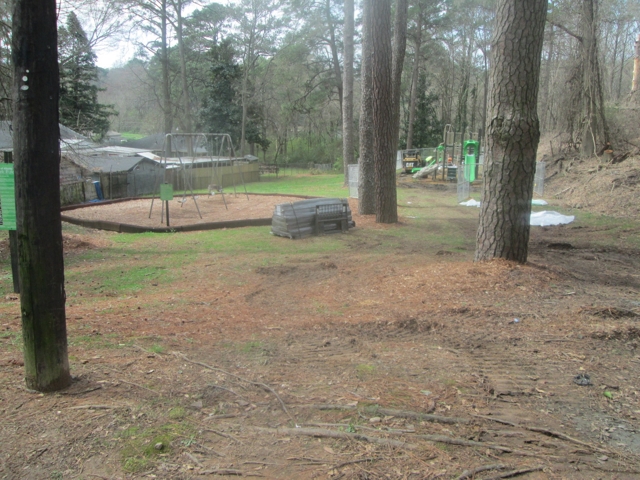
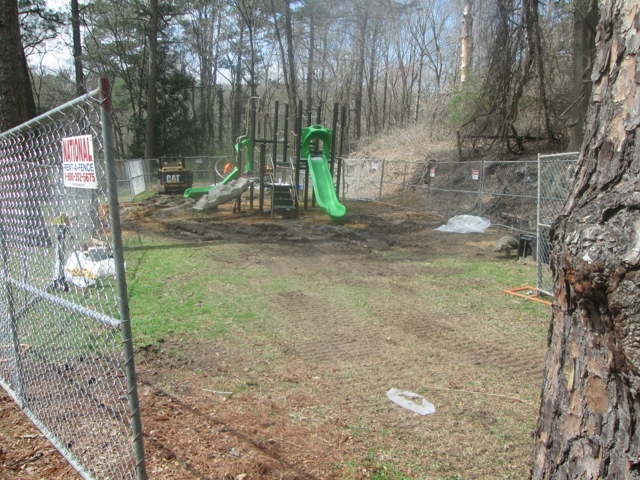
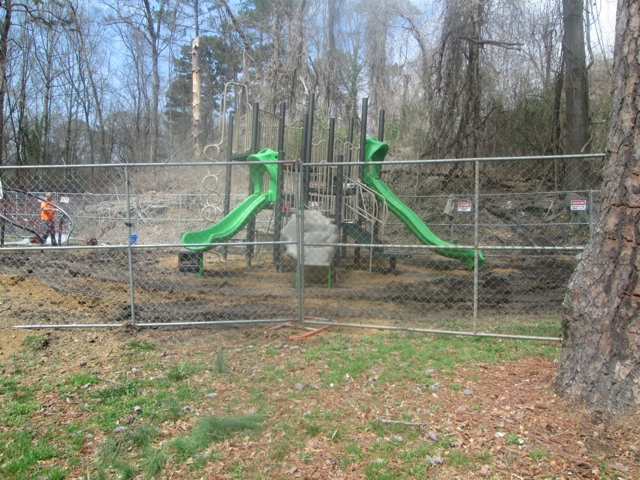
March 2015 - Grove Park (the park) Gets New Playground Equipment
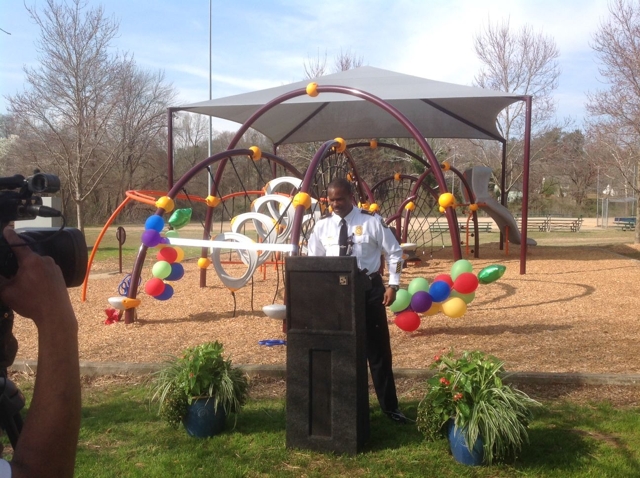
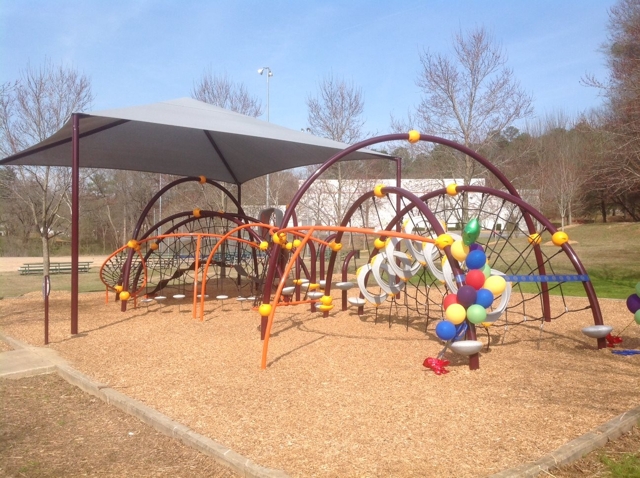

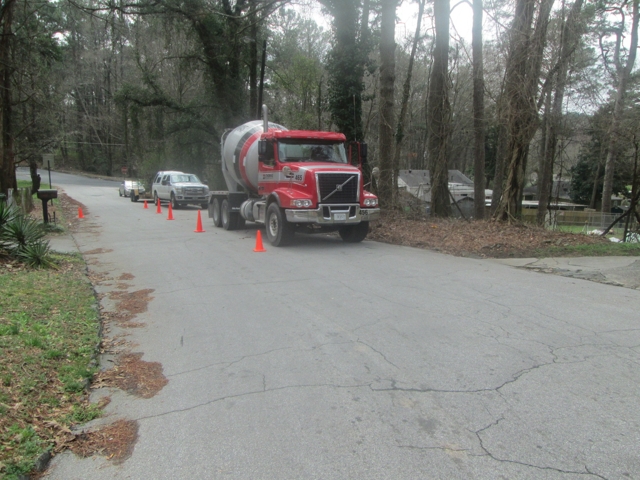
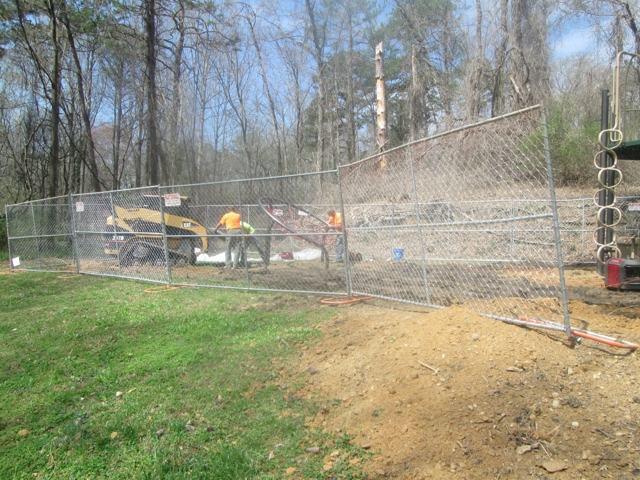
March 2015 - Arlington Circle Playlot Gets A New Playground
Source: Wikipedia http://en.wikipedia.org/wiki/Grove_Park,_Atlanta, http://en.wikipedia.org/wiki/Edwin_Wiley_Grove, Atlanta Public Schools http://www.atlanta.k12.ga.us, MARTA http://www.itsmarta.com


- Advertise Here!
-
Promote Your Business or Product for $10/mo

For just $10/mo you can promote your business or product directly to nearby residents. Buy 12 months and save 50%!
