|
|
|
Celebrate Moth Week: July 18-26
|
|
|
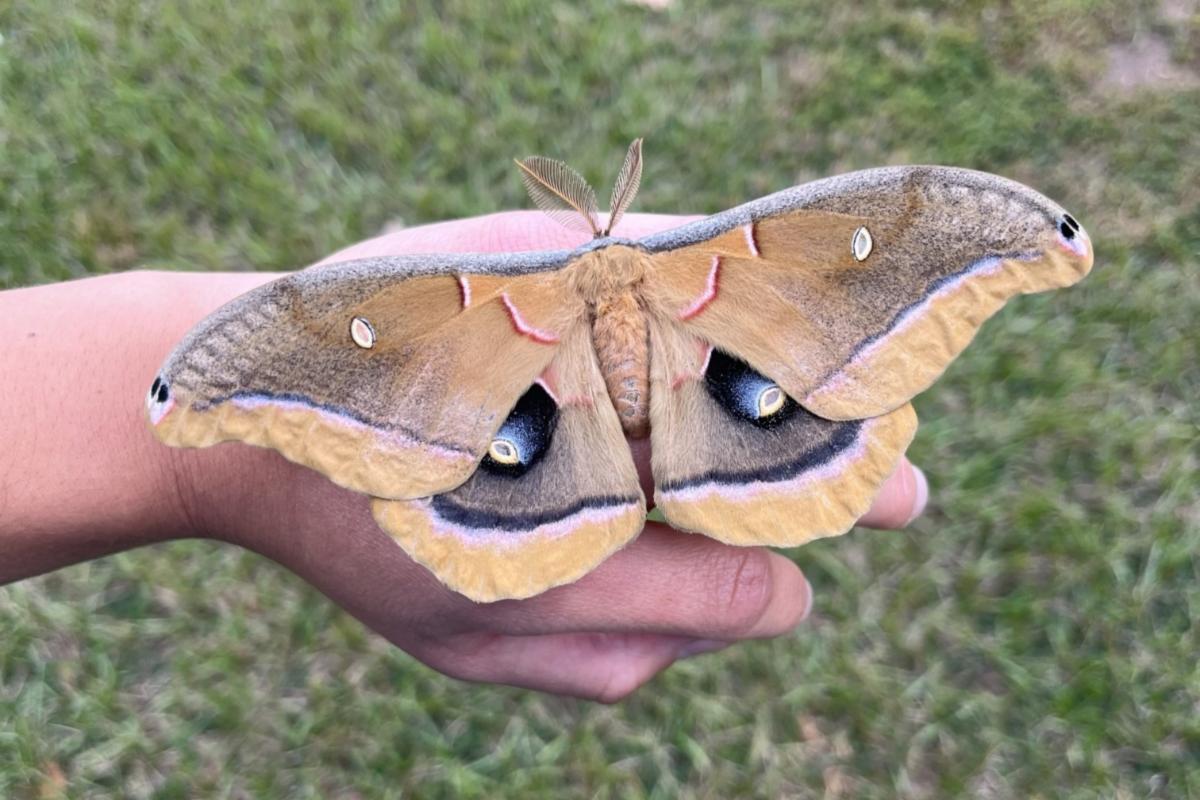
Moth Week starts this Saturday! Celebrate the beauty, diversity, and ecological importance of moths. Join participants of all ages to contribute valuable data that helps scientists better understand these fascinating insects.
Here are some ways to you and your community can participate in Moth Week:
|
??Š
|
|
July Coffee & Coworking: Update Your Plant Lists!
|
|
|
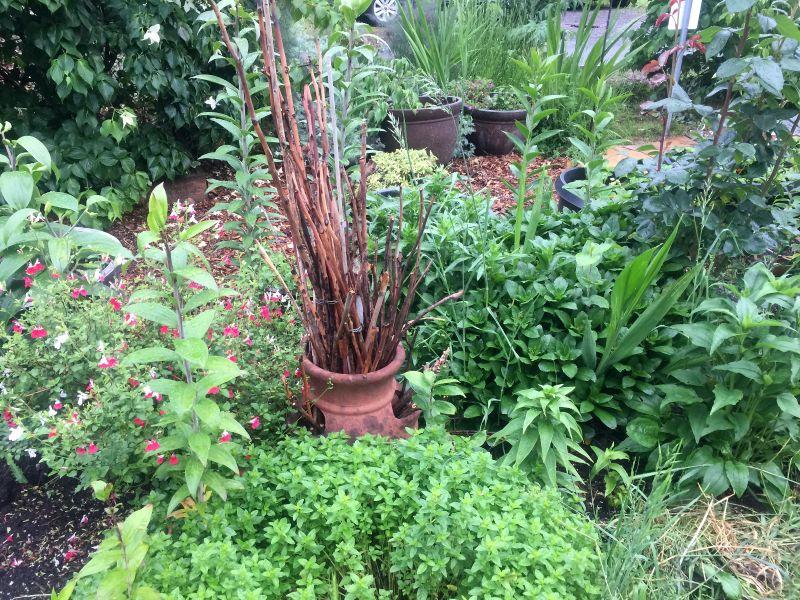
Join us on the last Tuesday of each month for Coffee and Coworking. We know everyone is busy, so we’re setting aside time where you and your fellow Bee City USA and Bee Campus USA affiliates can chat, ask questions, or just have companionship while you quietly work.
Our focus this month is creating (or updating ) your:
- List of recommended native plants
- List of recommended native plant suppliers
You are welcome to use Xerces Society’s regional lists:Native Plants for Pollinators and Beneficial Insects, or another organizations’ recommendations. Xerces also has a searchable Native Plant, Seed and Services Directory you may find helpful for locating nearby native plant suppliers.
Once you have your lists, please add them on your:
- “Profile” tab when you login to beecityusa.org, and
- Municipality/campus’s own BCUSA webpage.
~~~
Bee City USA Coffee and Coworking: Update Your Plant Lists
July 28 @
11 AM – 12 PM PDT / 12 PM – 1 PM MT / 1 PM – 2 PM CT / 2 PM – 3 PM ET
Register
This meeting will not be recorded.
Laura Rost, National Coordinator of Bee City USA and Bee Campus USA, Carly Hirschmann, Community Engagement Specialist, and/or Matthew Shepherd, Director of Outreach and Education, will be on hand to help.
This an informal event with no agenda or presentation, just a chance to focus on implementing your Bee City USAor Bee Campus USAcommitments. Drop in anytime during this one-hour window. Brew some coffee, grab a snack, and join us!
~~~
|
|
|
??Š
|
How to Safety Relocate Stem-Nesting Bees
|
|
Did you know that 30% of solitary native bees nest in tunnels above the ground?
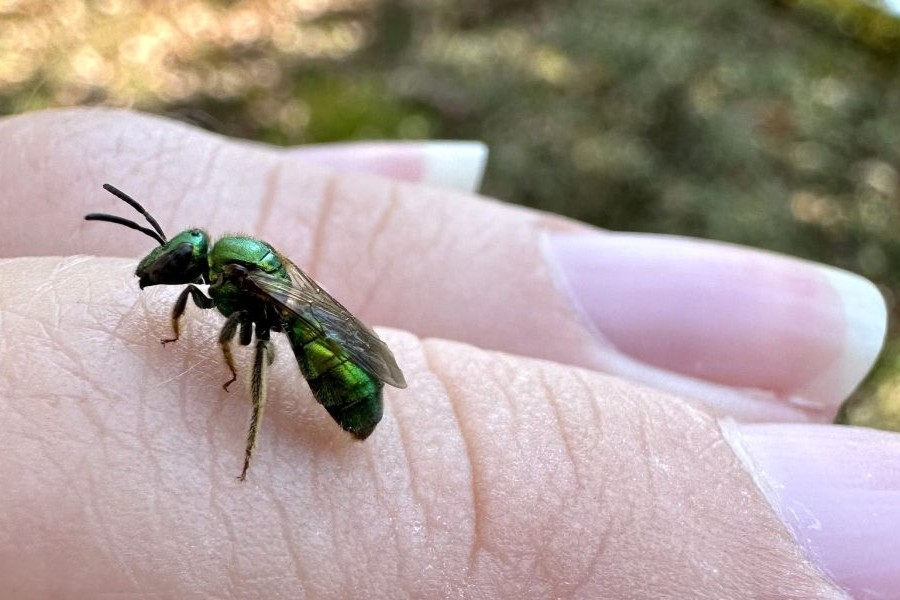
Cavity- or tunnel- nesting bees like small carpenter bees (Ceratina species) and mason bees (Osmia species) make their homes inside dead plant stems or in pre-existing tunnels like old beetle burrows in trees. Tunnel-nesting bees frequently prefer the old stems of pollinator plants for nesting sites. That means that even a small garden may have dozens to hundreds of highly enticing potential nesting sites in a location where human activity could destroy or damage nests.
After several years of experimentation, our publications specialist, Sara Morris has developed a system for relocating tunnel nests that has proven to be quite successful in her yard. Read more
|
??Š
??Š
|
[Xerces Petition] Reform Aerial Spray Program on Public Lands - Sign By Friday, July 17
|
|
Protect our western public lands from large-scale insecticide sprays.
The U.S. Animal and Plant Health Inspection Service (APHIS) oversees a program to kill grasshoppers and Mormon crickets across 17 western states. In a typical year, APHIS sprays insecticides to kill grasshoppers or crickets on hundreds of thousands and sometimes even millions of acres of western lands each year.
A legal victory has created an important opportunity to improve how the federal government manages grasshoppers on western rangelands. We need your help to protect these diverse ecosystems by ensuring much needed conservation measures are included in their new plan.
Special areas on our public lands are not exempt from sprays -- in fact APHIS has treated National Wildlife Refuges, Wilderness Study Areas, Important Bird Areas, and other sensitive lands routinely, even in recent years. Because single treatment areas can and often do measure hundreds of square miles, pollinators, and other native wildlife have no way of escaping the sprays.
The APHIS pesticide-centered approach poses risks to native pollinators, water quality, and broader biodiversity, and ignores Congressional direction to incorporate prevention practices that can reduce grasshopper severity.
The Xerces Society invites you to sign our petition asking for a better way.
APHIS must:
- End spraying on sensitive public lands
- Support prevention-based activities that reduce grasshopper severity
- Impose comprehensive protections for western rivers and streams
- Increase transparency, notification, and engagement
Please take a moment to add your name to our petition which we will submit with the names of all co-signers to USDA-APHIS. The letter will be public record.
Read the full petition and sign by Friday, July 17
|
??Š
??Š
|
Frequently Asked Questions About Pollinator Gardening at Home
|
|
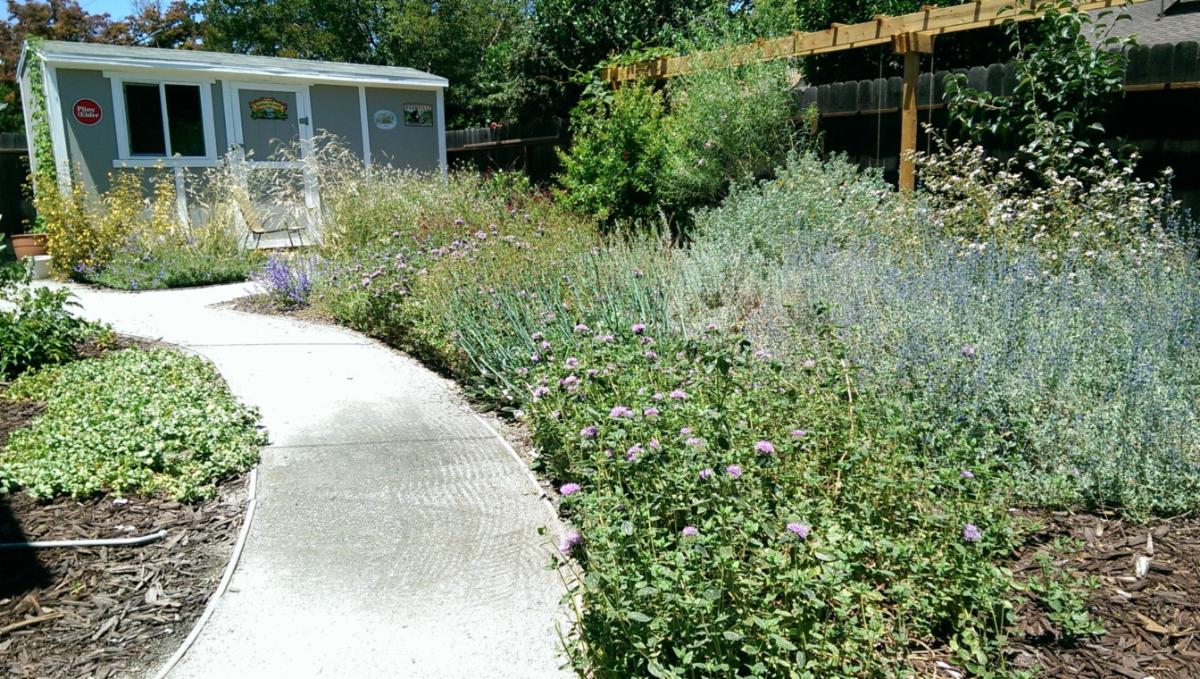
Do you get questions from the public about pollinator gardening at home? We're here to help! Read on as Xerces experts answer frequently asked questions about how to help your community members support their insect neighbors. Read more
|
??Š
??Š
|
Xerces Society Shirts - Limited Sale
|
|
This summer, Xerces is holding a fundraising sale of organic cotton shirts and sweatshirts with a beautiful illustration by Pine Bones. Some of us have received ours already and they are nicely made and very comfortable. A portion of your purchase will go to our organization, the Xerces Society.
(We also have Xerces baseball caps and tote bags available year-round in the Xerces Gift Center.)
|
|
|
??Š
??Š
|
[Bug Banter Podcast] Backyard Bug Safari: Tools for Exploration
|
|
|
Looking for a fun, family-friendly summer activity? Plan a backyard bug safari! In this Bug Banter podcast episode, hosts Matthew Shepherd and Rachel Dunham take a deep dive into finding, observing, and identifying insects and other invertebrates in gardens and neighborhoods with coworkers Jennifer Hopwood and Aaron Anderson.
They describe common groups (bees, butterflies and moths, flies, herbivores, predators, parasitoids, decomposers) and note that both common and rare species can appear, including examples like rusty patched bumble bees in gardens.
Tips include looking on flowers, vegetation, under leaves, in leaf litter and soil, and for signs of parasitoids; choosing times of day based on insect activity and photography; and using simple tools like a phone or camera, magnifier, notebook, jars, nets, coolers, and even a tuning fork for spiders. Listen, watch, or read the transcript
|
|
- Dakota State University, SD
- Johnstown, PA
If you know of a community that might be interested in becoming a Bee City or Bee Campus, we'd love to connect with them. We're particularly interested in those in Alaska or Hawaii, two states where we have no affiliates. Let us know at beecityusa@xerces.org.
|
??Š
??Š
|
There is Still Time to Report
|
|
Each year, Bee City USA and Bee Campus USA affiliates share a renewal report and pay a renewal fee. Our deadline was May 31, 2026. If you need an extension email beecityusa@xerces.org.
Please note: we have a new check payment address as of 3/2/2026:
Xerces Society
PO Box 739563
Dallas, TX 75373-9563
Who is due to report and pay?
- If your community was FIRST certified in 2024 or earlier, you are due to report and pay this year.
- If your community was FIRST certified in 2025, you do not need to report or pay until 2027.
- If your community was FIRST certified in 2026, you do not need to report or pay until 2028.
- If your community was one of the first 61 Bee Cities and Bee Campuses, just fill out the renewal report. You are an "early adopter" and do not need to pay the fee.
More info: How To Prepare Your Bee City Or Bee Campus Report
Thank you to everyone who has already finished their reports and paid. We'll be in touch when your report is approved over the next few months.
|
??Š
|
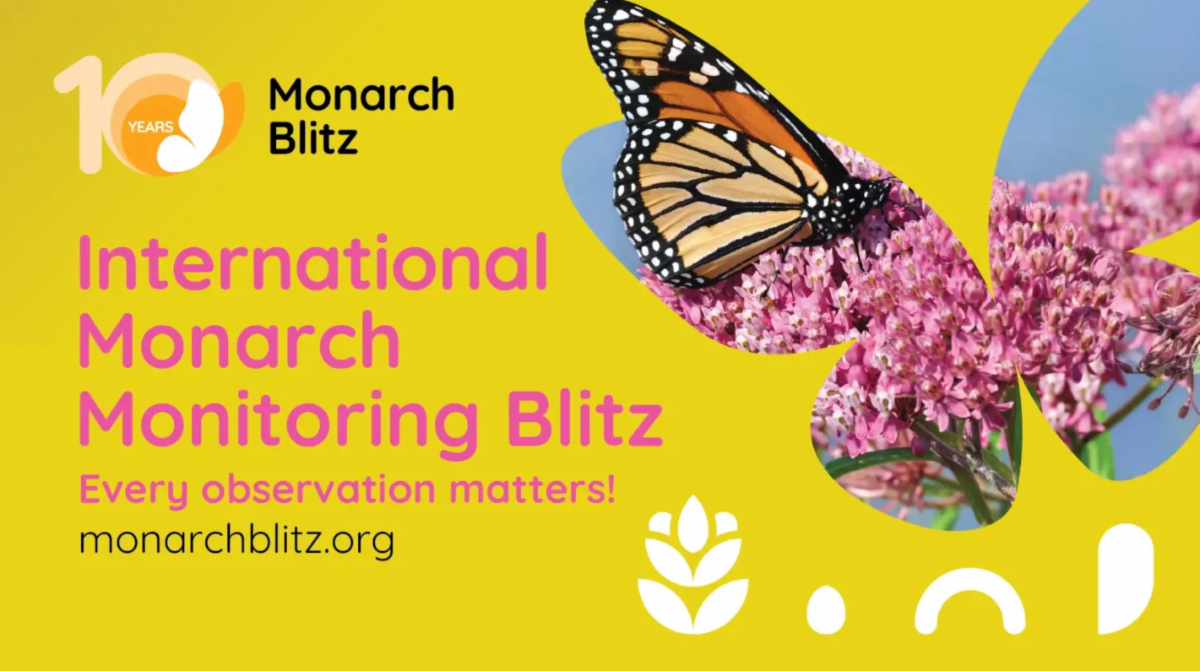
International Monarch Monitoring Blitz: July 31 - August 9
|
|
The International Monarch Monitoring Blitz is back for its 10th anniversary! From July 31 to August 9, join the celebration and help search for monarch butterflies (at all life stages) and milkweed plants in your area. Last year, over 9,000 volunteers contributed thousands of observations.
The Monarch Blitz is a community science initiative open to anyone in North America. Participation is easy and anyone can take part, whether in an urban or rural setting. You can post your sightings through iNaturalist, which is pretty easy to use once you get the hang of it. Learn more
|
??Š
|
[Xerces] We're Hiring! Pesticide Specialist - Freshwater & Natural Lands
|
|
We have a great position becoming available this fall on our Pesticide Reduction team. This Specialist will use advocacy, outreach, and collaborations to expand the use of conservation minded management practices with a focus on improving state and federal programs that subsidize insecticide use to suppress native insects (e.g. grasshoppers and Mormon crickets) across Western rangelands.
While responsibilities will vary over time, key aspects of this position include:
- Monitoring and tracking research into the risks pesticides pose to freshwater invertebrates.
- Evaluating risks from specific pesticide use practices.
- Promoting ecologically-responsible integrated pest management.
JOB TITLE: Pesticide Specialist - Freshwater and Natural Lands
LOCATION: Remote position based in Colorado, Idaho, New Mexico, Nevada, Oregon, or Wyoming. Candidates must have a personal office location suitable for work purposes, with broadband internet access, and must work from a city/state location approved by Xerces as their assigned work location.
COMPENSATION: $65,998.32 annually
STATUS & SCHEDULE: Full-Time, salaried, exempt position, scheduled to work ~40 hours/week.
JOB START DATE: October 16, 2026
APPLICATION DEADLINE: July 26, 2026
Learn more and apply
|
??Š
|
|
Have an event, funding opportunity, or volunteer opportunity you would like us to promote? Emailbeecityusa@xerces.org. If you have a Bee City/Campus login: you can add events here.
|
|
|
NEW Application and renewal fee address:
The Xerces Society
PO Box 739563
Dallas, TX 75373-9563
|
??Š
|
??Š
|
??Š
|
|
Bee City USA and Bee Campus USA are initiatives of the Xerces Society.
The Xerces Society is a donor-supported nonprofit organization that protects our world through the conservation of invertebrates and their habitats.
Your tax-deductible donation will help grow and sustain that essential work.
|
|
??Š
??Š
|
|
Image credits from top:
Moth Week:Jacqueline Buenrostro
Coworking: Bee Campus USA – Clark College, WA
Relocating Stem Nesting Bees: Sara Morris
Petition: R. Anson Eaglin / USDA
FAQ: Kailee Slusser / Xerces Society
Xerces clothing illustration: Pine Bones
Podcast: Jessa Kay Cruz
© The Xerces Society
|
|
|
|
|
|
|