Print
Print Email
Email
These simple steps can help you save children from environmental hazards around the home:
1. Always store pesticides and other household chemicals, including chlorine bleach, out of children's reach -- preferably in a locked cabinet
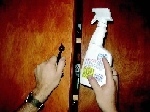
2. Read the Label FIRST! Pesticide products, household cleaning products, and pet products can be dangerous or ineffective if too much or too little is used.
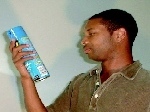
3. Before applying pesticides or other household chemicals, remove children and their toys, as well as pets, from the area. Keep children and pets away until the pesticide has dried or as long as is recommended on the label.
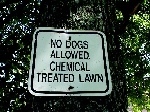
4. If your use of a pesticide or other household chemical is interrupted (perhaps by a phone call), properly reclose the container and remove it from children’s reach. Always use household products in child-resistant packaging
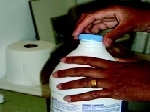
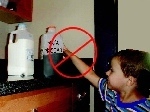
5. Never transfer pesticides to other containers that children may associate with food or drink(like soda bottles), and never place rodent or insect baits where small children can get to them
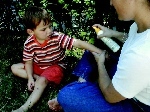
6. When applying insect repellents to children, read all directions first; do not apply over cuts, wounds, or irritated skin; do not apply to eyes, mouth, hands, or directly on the face; and use just enough to cover exposed skin or clothing, but do not use under clothing
7. Many homes built before 1978 have lead-based paint. If you plan to remodel or renovate, get your home tested . Don’t try to remove lead paint yourself.
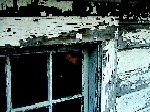
8. Ask about lead when buying or renting a home. Sellers and landlords must disclose known lead hazards in houses or apartments built before 1978.

9. Get your child tested for lead. There are no visible symptoms of lead poisoning, and children may suffer behavior or learning problems as a result of exposure to lead hazards.
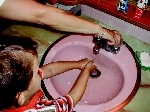
10. Wash children’s hands, toys, and bottles often. Regularly clean floors, window sills, and other surfaces to reduce possible exposure to lead and pesticide residues.